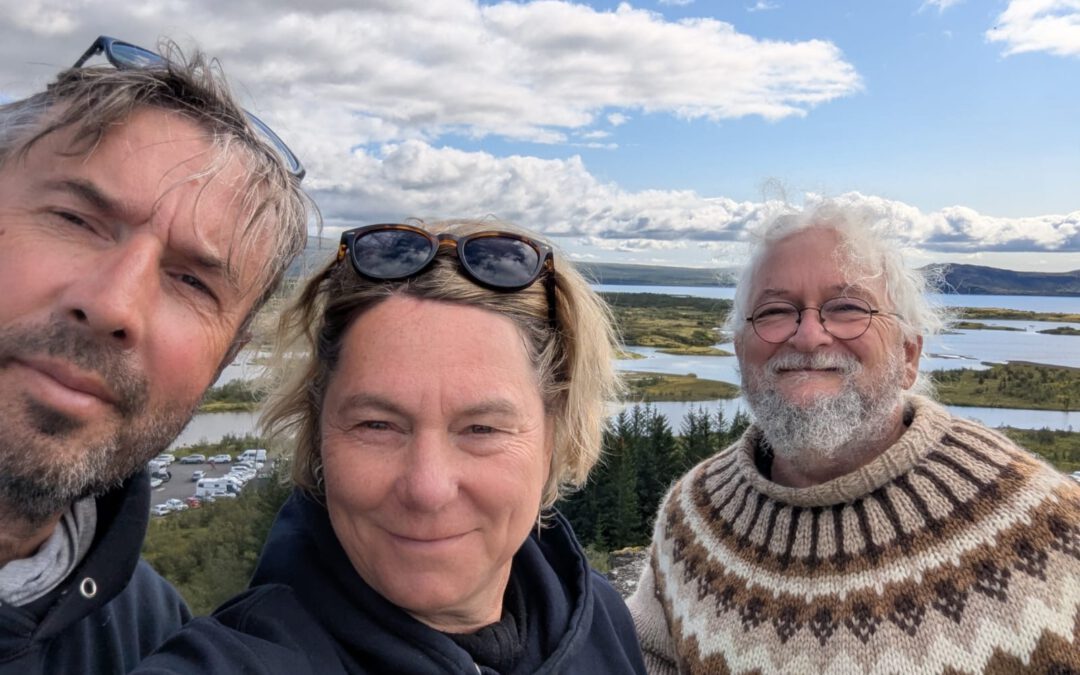
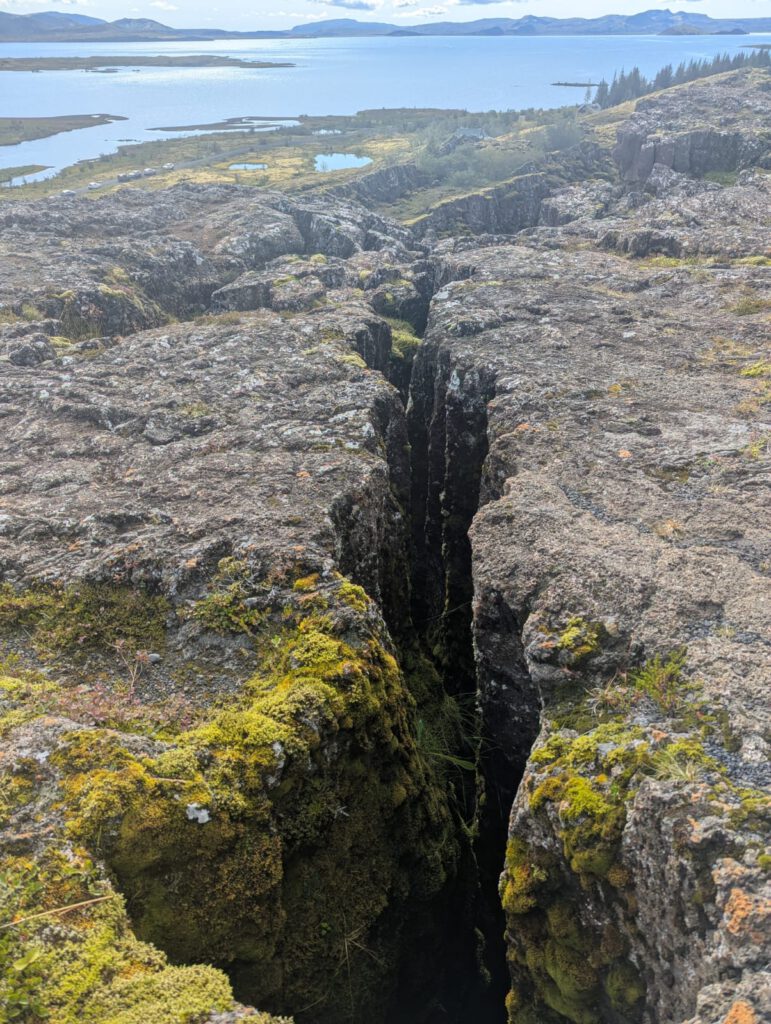
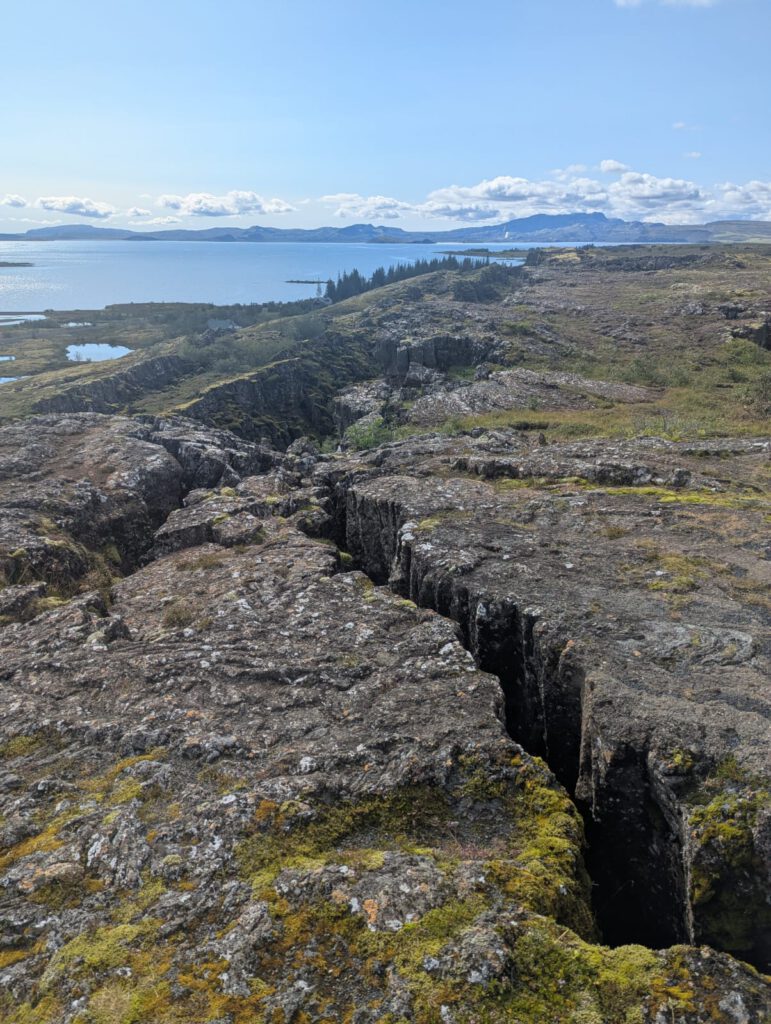
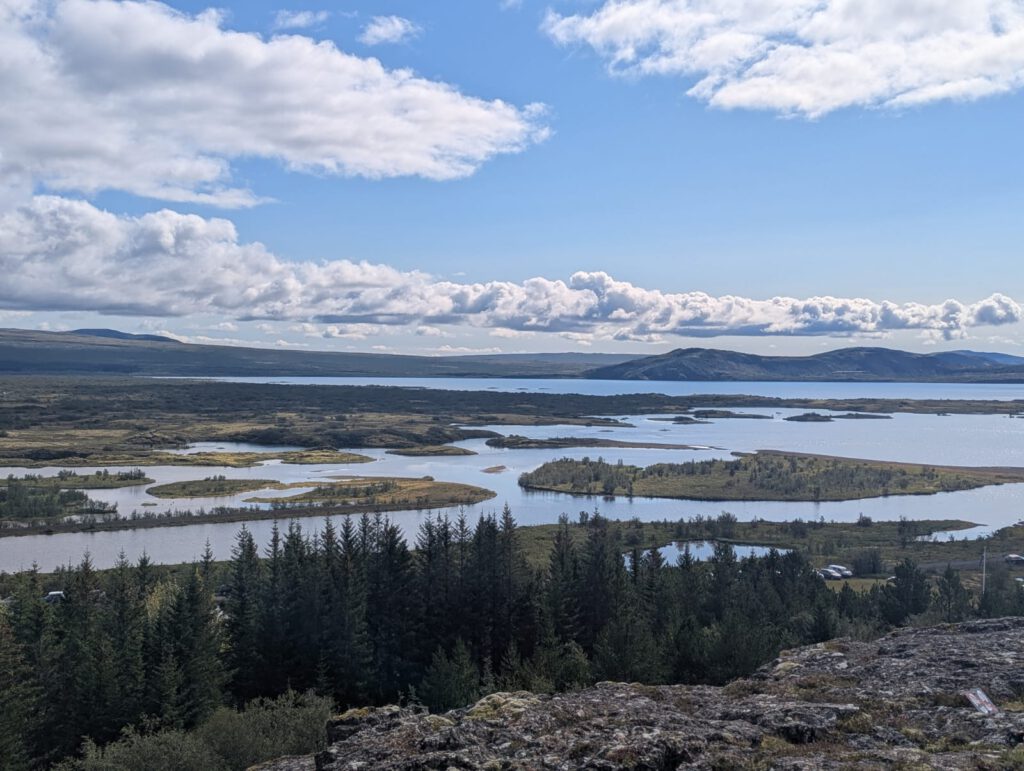
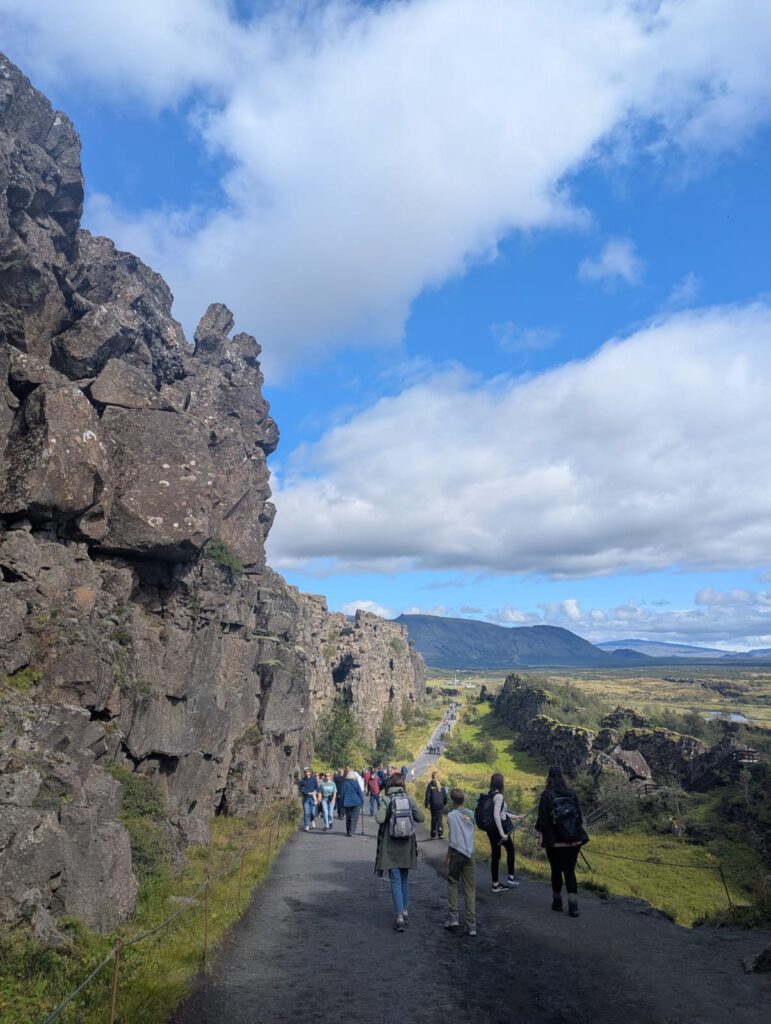
From the geyser, we set off for Reykjavík, but on the way, we make another stop at Þingvellir National Park. Here, at the place where the tectonic plates are breaking apart and drifting about two centimeters further each year, we feel the earth’s power particularly intensely. Although there are many tourists here, we hardly notice them—the energy of this place is too strong. Pielow explains that the immense destruction caused by the tectonic plates breaking apart simultaneously creates something new: biotopes emerge, and with them, landscapes that would never have existed without this rift. At that very moment, we immediately draw a parallel to our illness: when something breaks apart, something new always arises. It may be different from before, but beautiful in its own way.
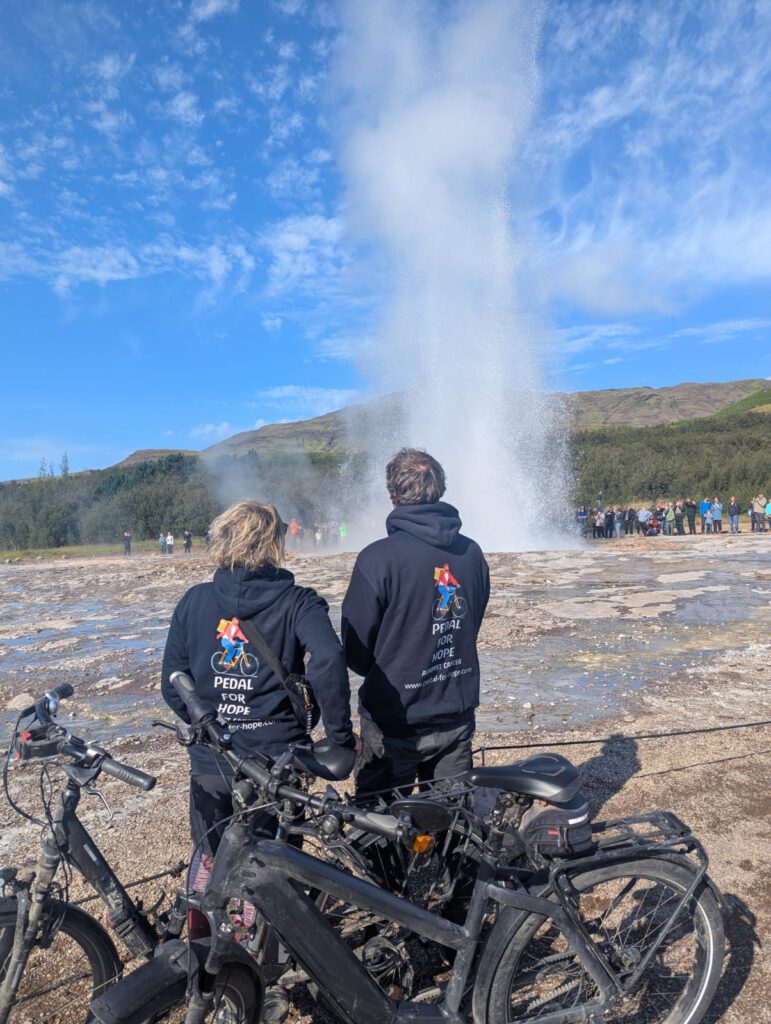
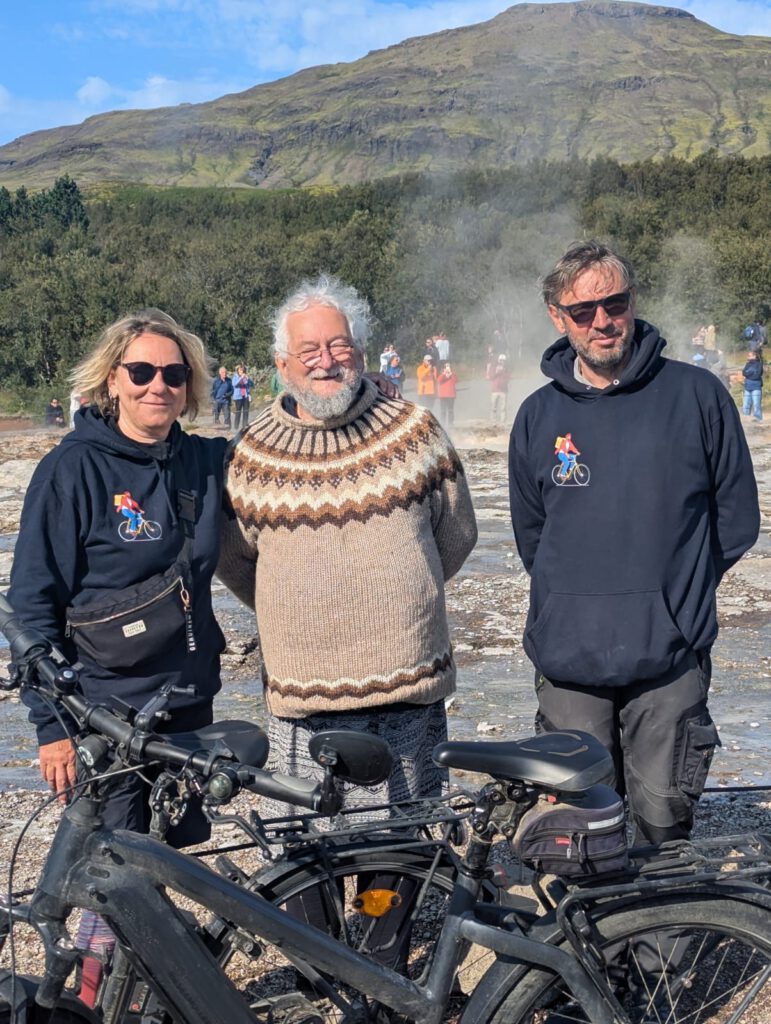
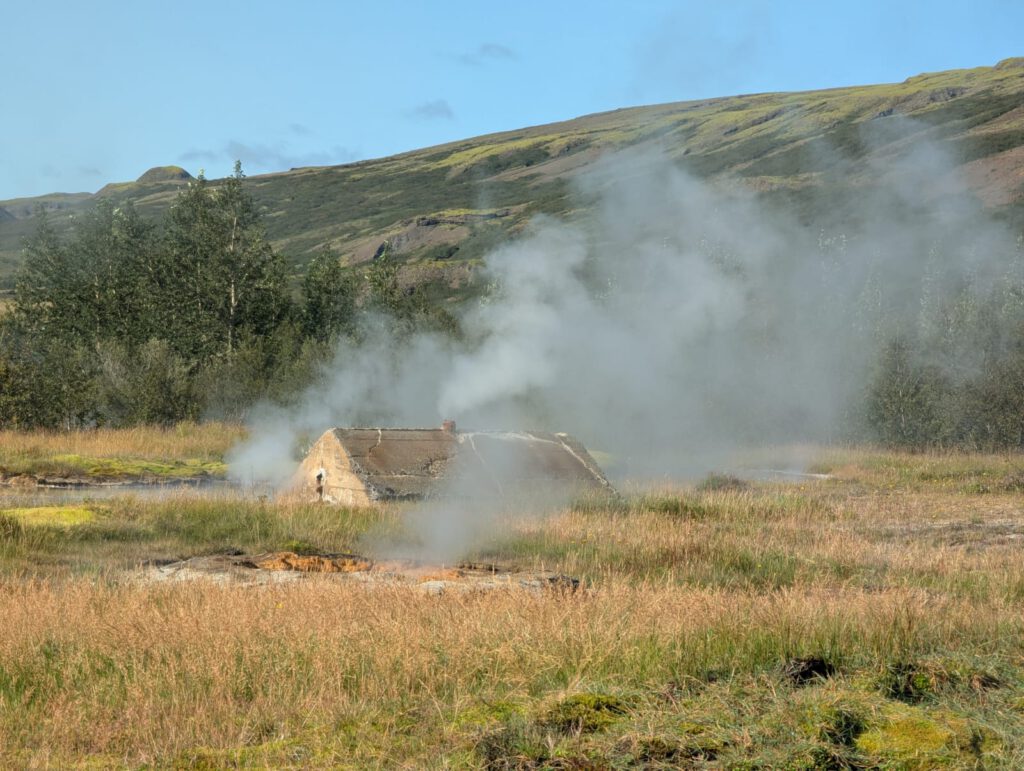
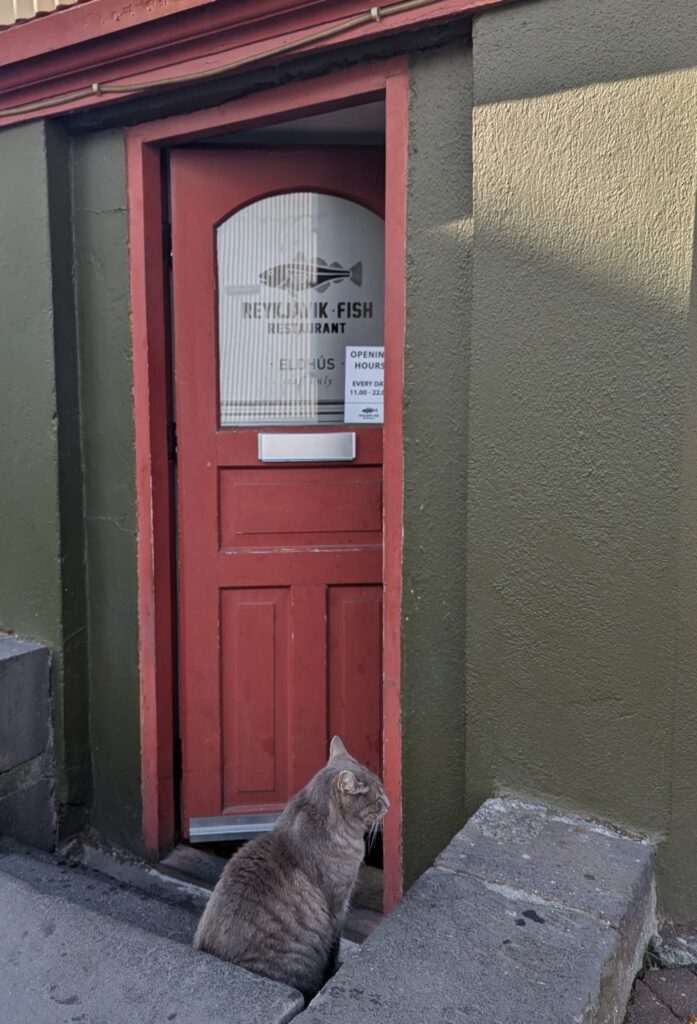
From Þingvellir, we continued along the Golden Circle towards Reykjavík. The closer we got to the capital, the more crowded, vibrant, and fast-paced it became. After the solitary days in the highlands, we found this hustle and bustle a bit overwhelming at times, and we had to readjust to the crowds. Our campsite was not far from the center, was large, and very well organized. From there, we drove straight into the city and let ourselves wander. Along the promenade, we discovered Reykjavík in all its colorful, open, and tolerant diversity. Cruise ships had once again disgorged countless visitors, yet the city itself still felt charming, lively, and warmly welcoming.
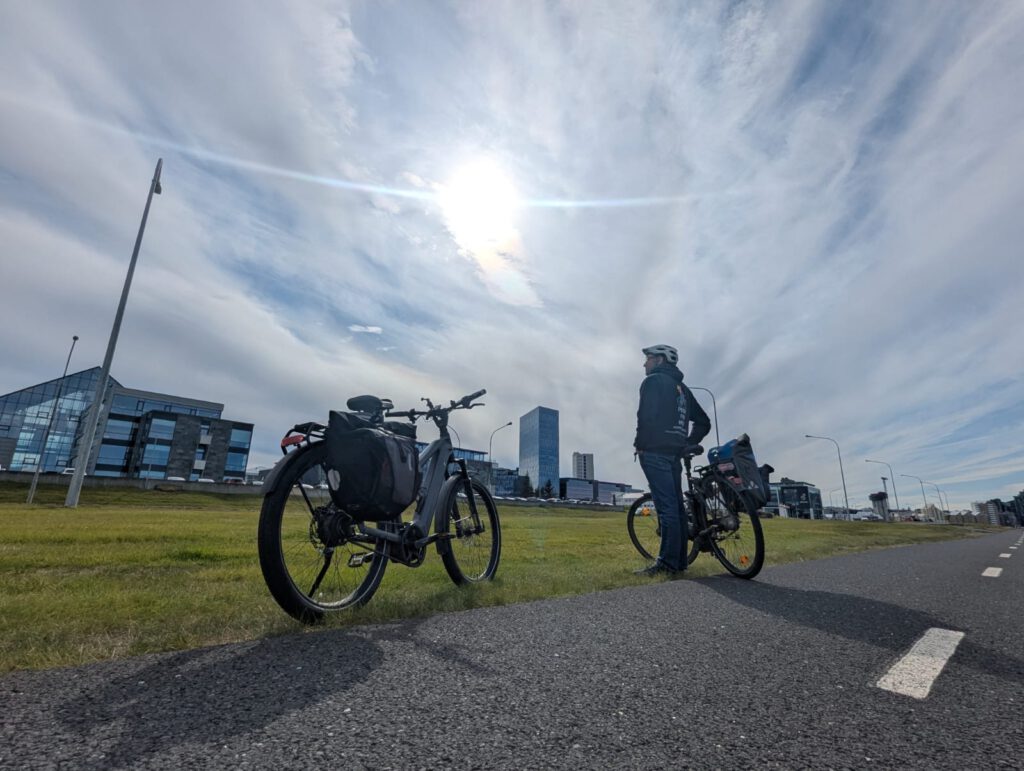
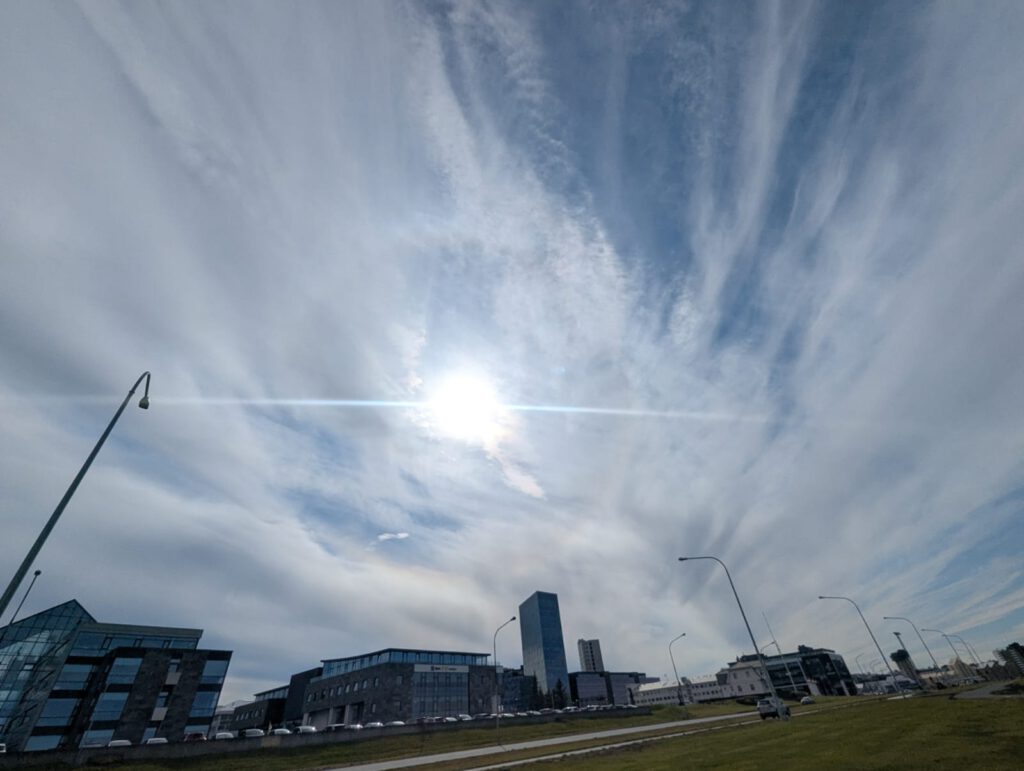
A special moment occurs when Silke suddenly stops and spots a sun halo above us – a huge ring around the sun that hardly anyone else seems to notice. For us, it’s a sign that the city is welcoming us. Sun halos are considered lucky charms and are often interpreted as symbols of transformation. Transformation and change have been a constant companion in recent years, through illness, healing, and the new paths we’ve discovered. Through these transformations, which we’ve experienced so directly, we perceive the here and now much more intensely and take more time for nature, for life, and especially for ourselves.
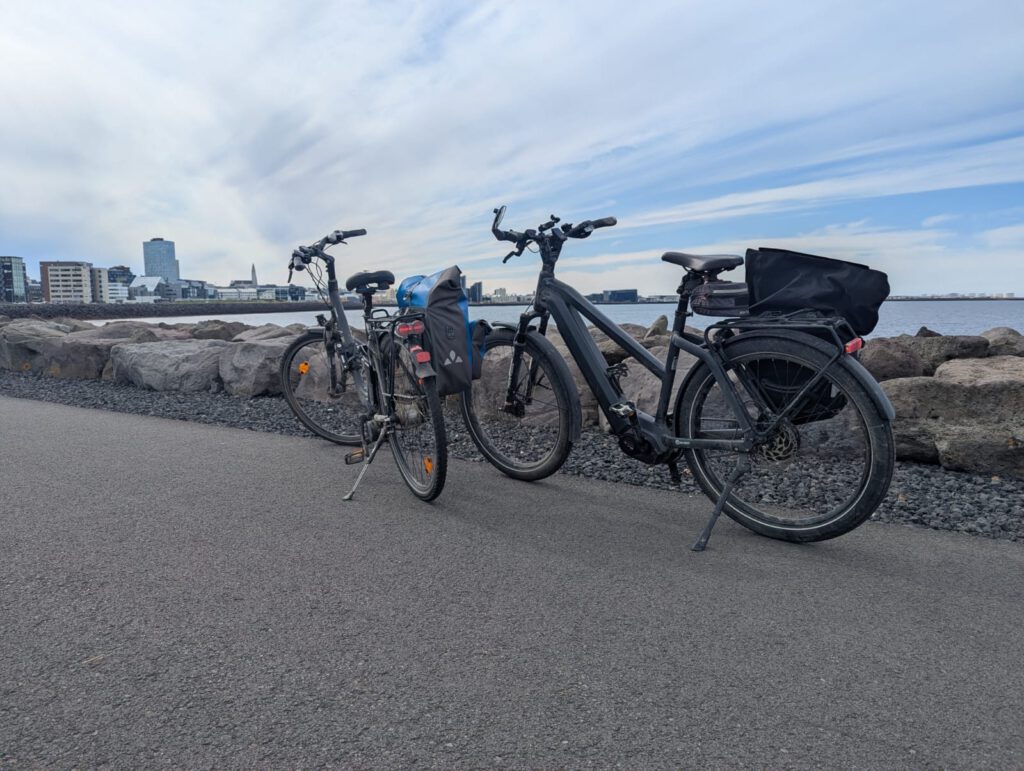
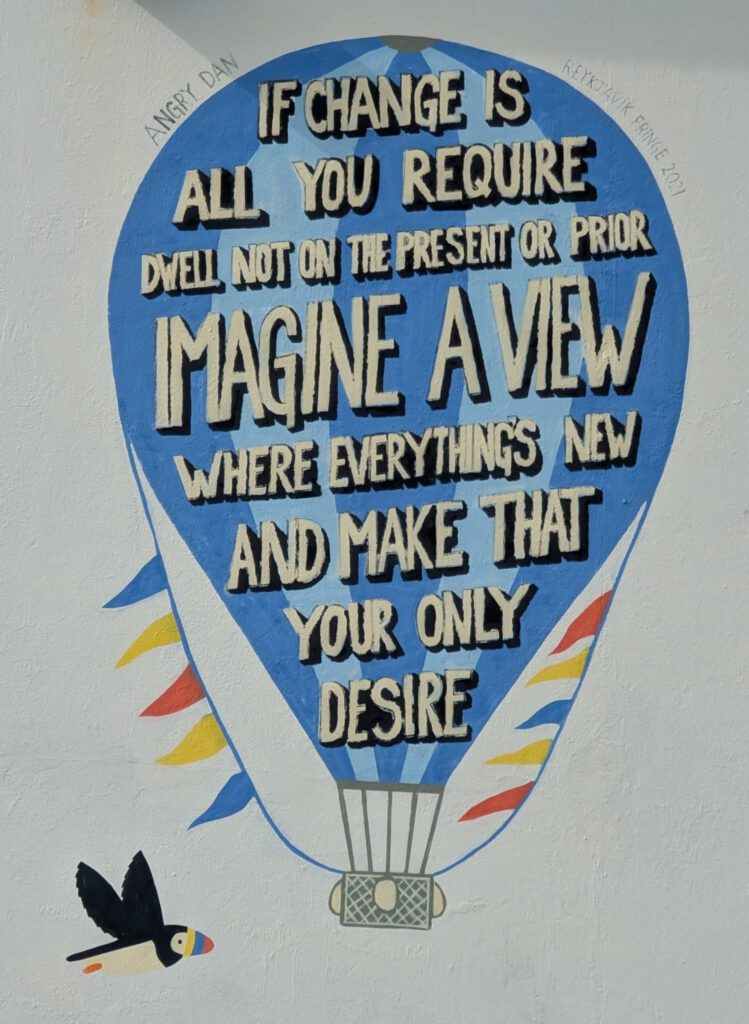
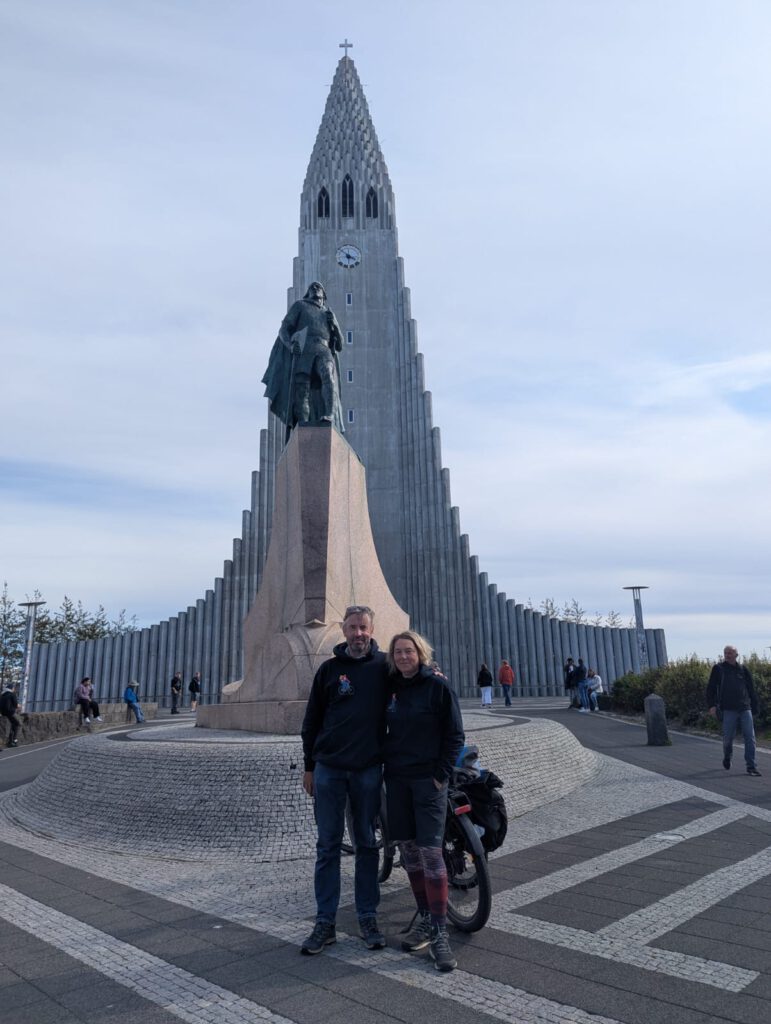
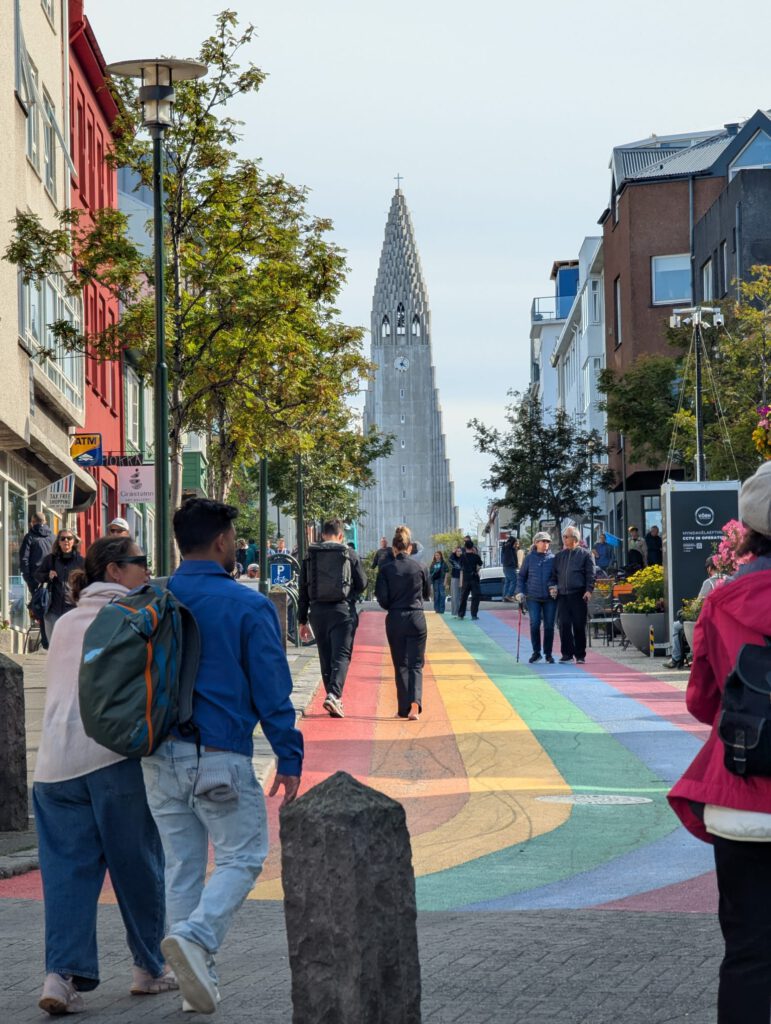
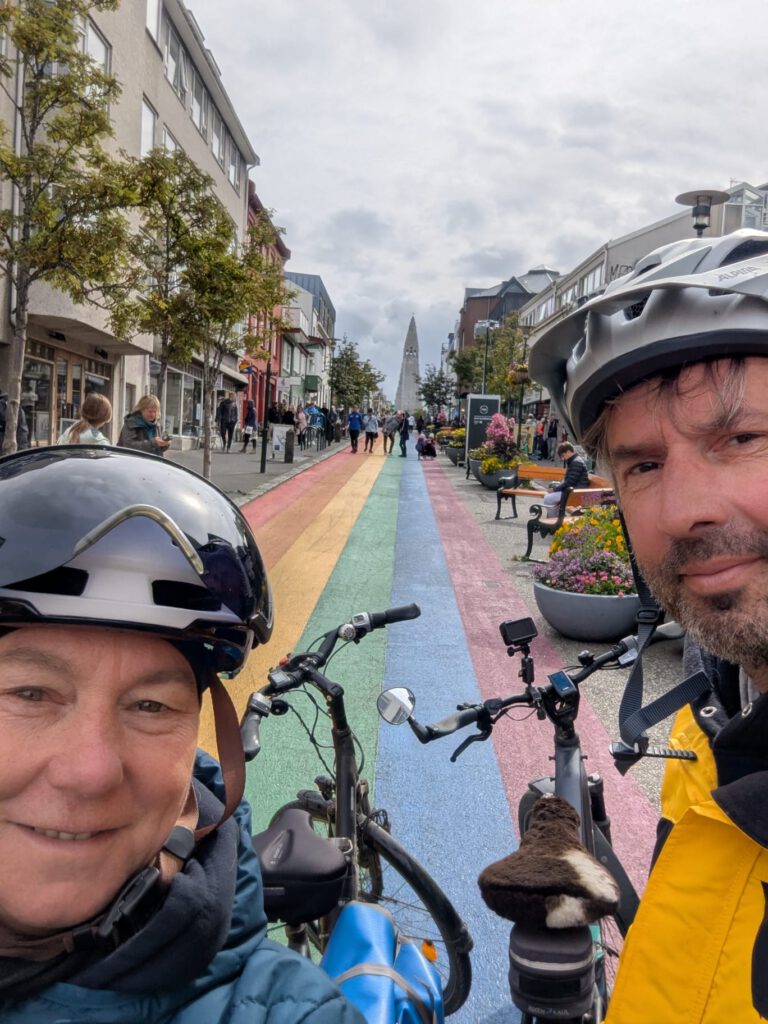
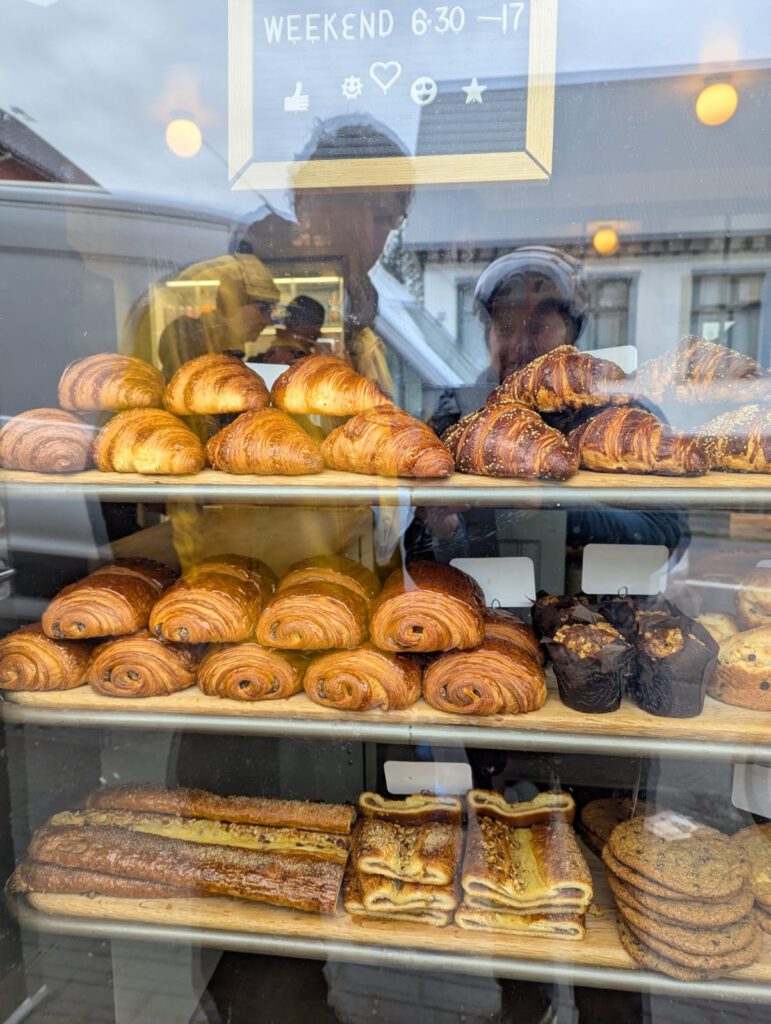
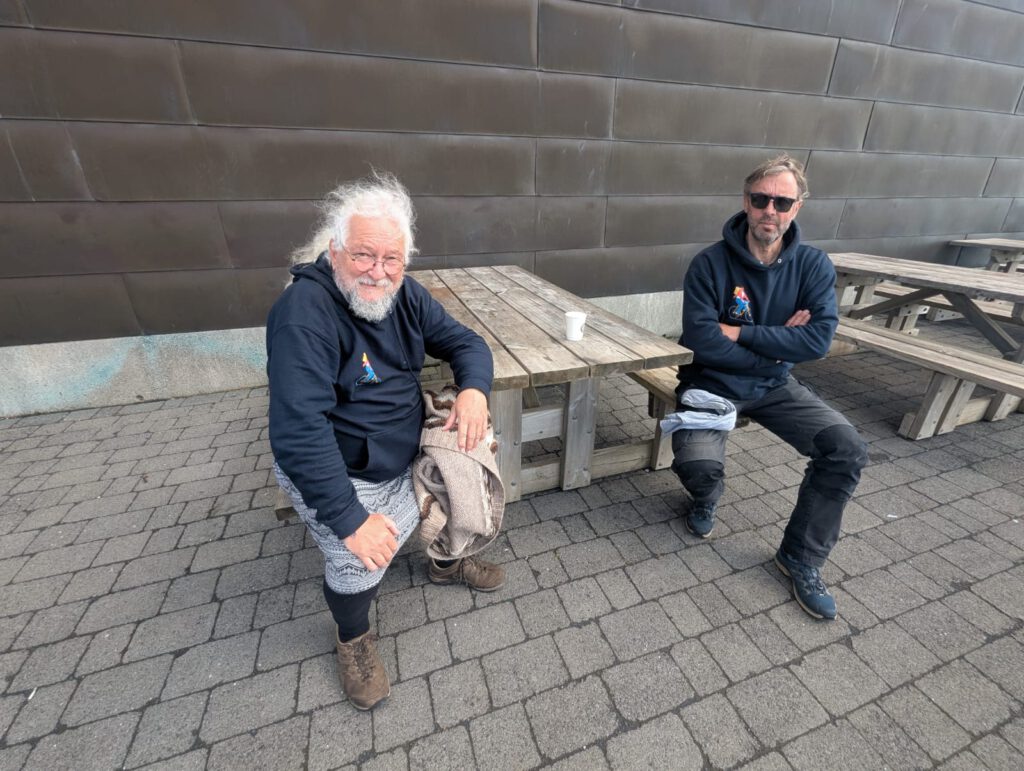
We strolled on through small, cozy shops, climbed up to Hallgrímskirkja Church, and stopped at Jürgen’s favorite bakery, „Braud & Co.,“ hoping for a cinnamon roll, but unfortunately, they were sold out. Instead, we headed to the Harpa Concert Hall, whose glass facade immediately captivated us. The unique design of the windows makes the light dance, transforming the concert hall into a work of art in its own right. Back at the campsite, we spent the evening with Pielow. It was our last evening together, and so, alongside joy and warmth, there was also a quiet note of farewell. But as always on this trip, the realization remained: every end is also a beginning – just like in Þingvellir, where something falls apart and something new is allowed to grow.